
Battery Storage Surging in North Carolina and Worldwide
Worried about rising electricity costs and the potential for data center power demands, as well as, storms resulting in service disruptions? An increasing number of NC electric cooperatives are hedging their bets with distributed battery storage systems. They’re joining a worldwide trend. Utility-scale battery storage systems are taking off at an accelerating pace around the globe.
North Carolina Leads The Way
Back in January we reported that clean energy microgrids of solar and battery storage are being installed. They are resiliency measures in areas which experienced the devastation of Hurricane Helene.
That trend is not confined to the mountains. From Piedmont suburbs to the Outer Banks, electric cooperatives are installing similar systems. As Elizabeth Outz reports in Canary Media, as far back as April 2025 North Carolina electric co-ops already led the nation with 43 energy battery storage systems in place or being installed. Alaska was in second place with 13 such systems. Isolated Ocracoke Island in the Outer Banks initially installed its solar/battery system a decade ago as a defense against long storm-related outages.
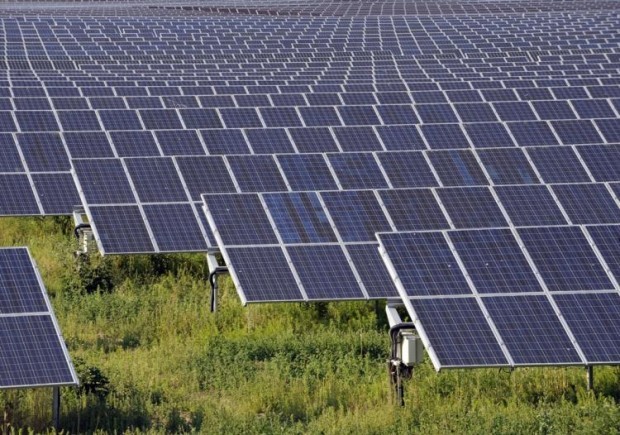
The NC Electric Cooperatives organization has established its own goal of net-zero carbon emissions by 2050, independent of the legislatively mandated goal for Duke Energy. The organization has a section of its website devoted to the technologies it is implementing (including microgrids and battery storage systems) to pursue that goal as well as reduced costs and enhanced reliability.
Trends in Utility Battery Storage
Globally, annual utility battery storage capacity additions surged from 2024 to 2025 (from 76 GW to 112 GW), and are forecast to continue to climb rapidly over the next five years, more than doubling to 228 GW installed annually by 2030. Dropping costs of large-scale storage batteries and rising capacity in solar and wind generation are drivers of the trend.

Further, these projections predate the possible impacts of the US-Iran war as a dramatic reminder of the vulnerability of fossil fuels to international disruption. They also don’t yet fully reflect the potential of alternatives to lithium-ion batteries, such as sodium-ion and iron-air batteries which rely on more common mineral elements, to further cut the cost of battery technology.
The United States is Falling Behind
While the United States alone is moving backwards under the Trump Administration and its imitators in state legislatures. Our competitors from China to Europe, Africa, and Australia have all gotten the memo. Utility-scale battery storage is now a proven cost-effective part of an integrated system of renewable energy.
It’s past time for us to elect leadership who will change course and put the United States back on track.