
Feeling the Heat in North Carolina
If you live in North Carolina, you’re already aware of the record heat wave now baking our state and much of the rest of eastern North America. We’re coming off a string of days in excess of 100 degrees in central NC. This week’s projections show highs closer to 90, but nighttime lows remain concerning. When even the nighttime temperature stays above 70, people’s ability to rest and recover from the highs of the day – and prepare for the next day – becomes critically limited.
North Carolinians who work outside are especially vulnerable. Exposure to extreme heat is already hazardous, but preventative strategies (or lack thereof) can significantly impact the occurrence and severity of heat stress and heat illness. Health professionals emphasize the importance of taking breaks, having access to cooled areas, and drinking plenty of water. However, not all employers provide or enforce these safety measures and instances of worker exploitation, especially of migrant workers, are far too common. The tragic reality is that this form of environmental injustice can be deadly.

The Root Cause
If you’ve followed the news consistently coming from climate experts, you know this heat wave is not a surprise. It’s part of a long-term heating trend that is already reaching dangerous levels with no reversal in sight.
Data Centers Exacerbate Grid Strain
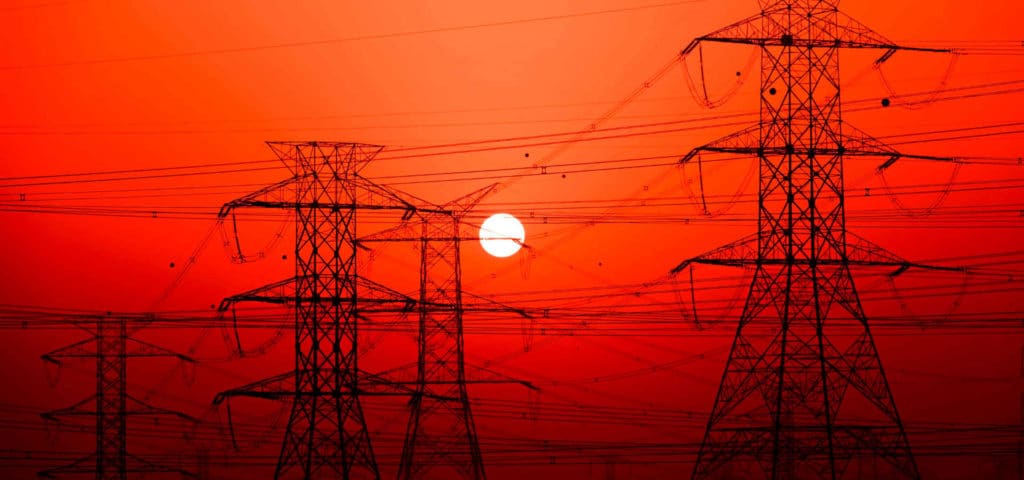
Current conditions are tripping alarms regarding the state of eastern America’s electric grid and the prospects of rolling blackouts. While partially due to rising use of electricity for residential and commercial cooling, a more dramatic rise has occurred in very large industrial power demand sources. We’re talking about hyper-scale data centers.
Last week, PJM, the nation’s largest power grid operator, asked the U.S. Department of Energy for an emergency order declaring that “an imminent electric reliability emergency exists that will threaten transmission reliability.” U.S. Dept. of Energy Secretary Chris Wright signed the order, allowing PJM to require data centers and other major energy users to switch to backup generators. PJM serves the Mid-Atlantic and some midwestern states, as well as parts of North Carolina served by Dominion Energy.
Data Centers Switch to Loud and Polluting Generators
While temporary on this occasion, the order foreshadows the future likelihood that data centers will be required to fire up their backup generators (which are frequently diesel generators) on a recurring basis. That likelihood throws out the window any rosy scenarios under which those highly polluting and loud generators are rarely employed. These impacts are already helping to fuel controversy regarding both recently built and newly proposed data centers.
Legislative Shortcomings
Under these circumstances, it’s especially unfortunate that the NC General Assembly has still failed to pass any comprehensive legislation to address the growing impacts of hyper-scale data centers. No such provisions were included in the budget bill just adopted, and the prospect for action on freestanding legislation sponsored by legislative Democrats seems doubtful right now.
The Fight Isn’t Over
The impacts of climate change can feel overwhelming – especially when you and your loved ones are directly affected. But North Carolinians aren’t giving up. Just last month, more than a hundred concerned community members attended the NC Data Center Grassroots Lobby Day at the NC General Assembly. The event included a press conference, meetings with legislators, and social media advocacy.
We can all fight for a sustainable future by taking actions such as voting for climate champions, reaching out to elected officials, and getting involved with the work of the NC League of Conservation Voters and partner organizations.
Learn more about taking action with us here!