
Duke Energy Boasts Billions in Profits—Families & Environment Face Consequences
Families all across the United States are struggling with the cost of living. Energy rate hikes have become the fastest driver of inflation because utility companies continue to put profit over people.
Here in North Carolina, every new energy rate hike is deja vu. Duke Energy justifies ever-increasing rates because of fuel costs and necessary investments, yet Duke still posts record revenue year after year. In fact, Duke has made a $2.6 billion profit through the first half of 2026, putting them on track to exceed last year’s record of $5 billion in profit.
The pattern is simple: Duke can keep raising customers’ rates—protected by their monopoly status and little resistance from regulators, legislators, and the courts.
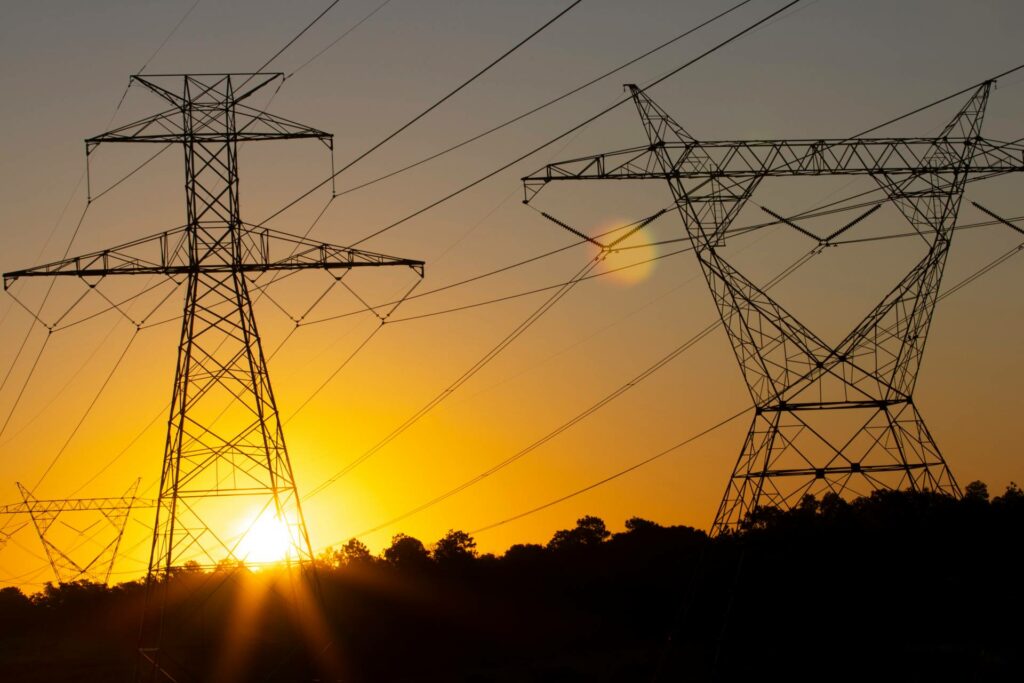
Duke’s Pattern of Rate Hikes
Despite Duke’s massive profits, the N.C. Utilities Commission (NCUC) has continually let Duke milk us dry. Between May 2021 and late 2023, Duke Energy consistently raised utility rates across North Carolina, frequently shifting a disproportionate load onto residential consumers. Early rate hikes—including an unannounced 12.8% surge in December 2021 and fuel-cost recoveries in late 2022—systematically charged residents higher percentage increases than industrial power users. Then, NCUC approved Duke Energy Progress’ first multi-year plan, locking in annual increases through 2025 alongside additional seasonal fuel rate hikes that left consumers facing drastically higher bills despite static energy usage.
Despite very minor rate decreases in 2024, Duke proposed another aggressive two-year rate plan seeking an 18% cumulative residential hike by 2028, compared to less than 12% for industrial clients. If approved, this proposal would yield $1 billion in extra revenue for Duke Energy Carolinas (DEC) and $729 million for Duke Energy Progress (DEP), continuing the trend of residential consumers bearing the brunt of grid expansion and fuel costs.
Bigger Monopoly, Fewer Safeguards
Additionally, Duke Energy is now preparing to merge DEC and DEP, a merger that was approved by North and South Carolina regulators on May 1 and is set to start in the new year. Although DEC and DEP operate under the same parent company, their merger raises questions about further entrenching Duke’s monopoly. Separate subsidiaries introduce differentiation, including separate rate cases, that better reflect local needs.
Duke Doesn’t Do It Alone
Duke is not the only party to blame. In 2021, lawmakers passed legislation requiring Duke Energy and NCUC to take “all reasonable steps” to reduce carbon emissions by 70% by 2030 and reach carbon neutrality by 2050. Although these goals were a step in the right direction, we opposed the passage of this legislation because it gave Duke too much power. We are now seeing the undoing of those climate goals by Duke Energy and the legislature.
Last year, we reported on how our legislature bet your money on a future of dirty Duke Energy. Lawmakers passed Senate Bill 266—which removed the 2030 target date—even after an independent study by NC State found this law would shift over $23 billion in costs onto ratepayers. The legislation also increases reliance on fossil fuels, delays coal plant retirement, and reduces clean energy commitments. Unfortunately, the NCGA is still putting ratepayers on the backburner, continuing to allow Duke Energy to put profit over people.
But it isn’t just the legislative branch; the judicial branch has a role too. In February 2025, the N.C. Supreme Court finally heard a 2023 appeal against Duke Energy’s rate hikes. Over a year later—and right before Memorial Day weekend—the Court tried to bury a decision giving full deference to the NCUC’s rate hike approval. This decision guarantees corporate payouts at the expense of working families, proving once again how deep Duke’s influence runs in North Carolina politics. Duke Energy continues to line their pockets with record profits while the legislature, Supreme Court, and NCUC fail to reign them in.
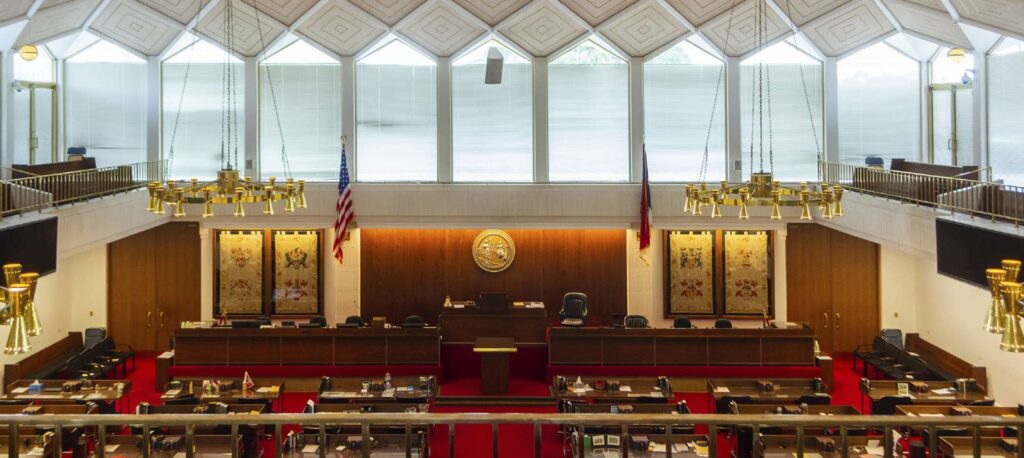
Duke and Democracy
This pattern of pandering to Duke’s profit margins has been exacerbated by the legislature’s focus on systematically clawing back the constitutional powers of our governor starting in 2016, when Governor Cooper (a Democrat) was first elected. In 2023 and 2024, the legislature took aim at the NCUC. Previously, the governor had appointment power for a majority of the NCUC’s members, but the legislature reduced the number of seats on the commission, and transferred the majority of appointments to the Republican-controlled legislature and the state treasurer, a Republican. Then in 2025, the State Treasurer appointed Donald van der Vaart, a known climate skeptic, to the commission. Van der Vaart will now play an important role in deciding whether to raise residential rates or not.
These systematic maneuvers to weaken gubernatorial powers have further enabled Duke Energy to put its profits over people.