
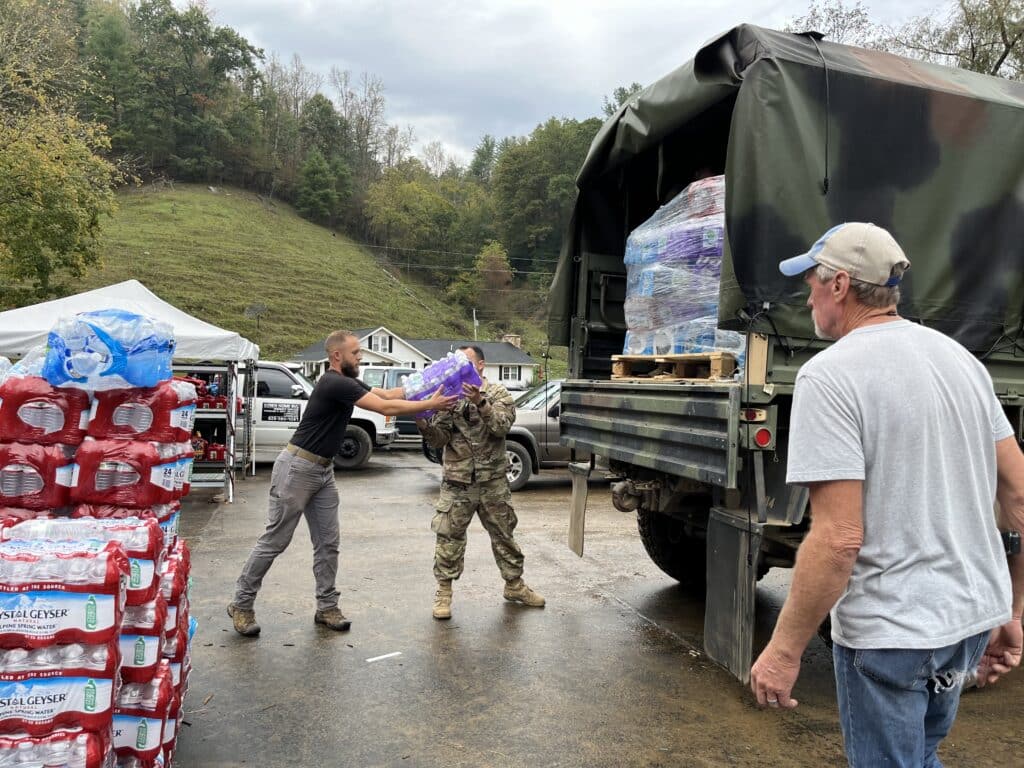
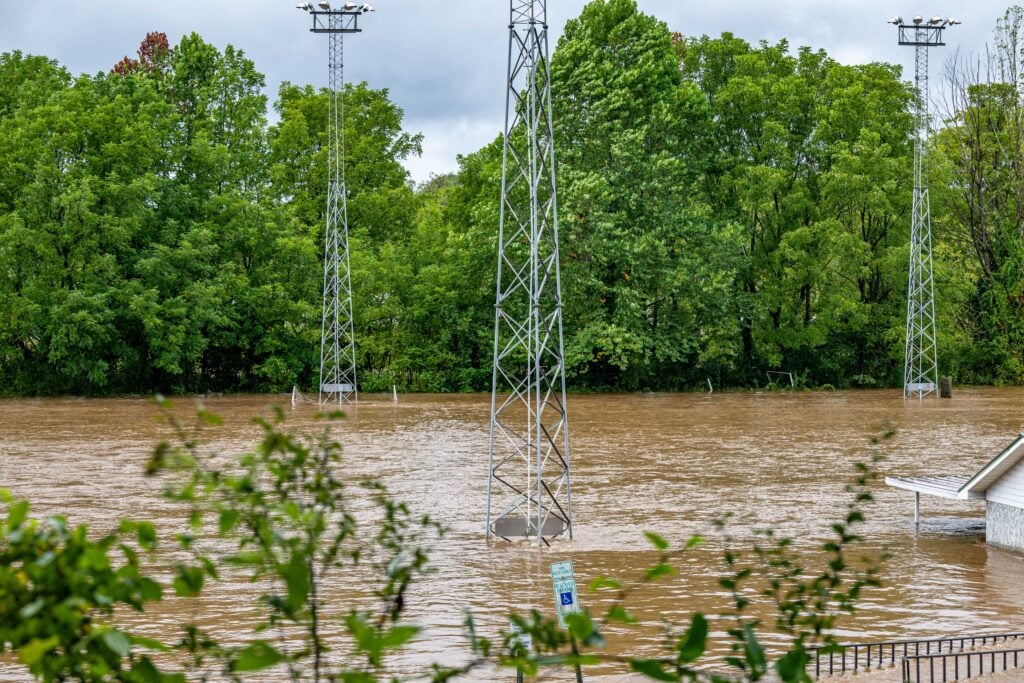
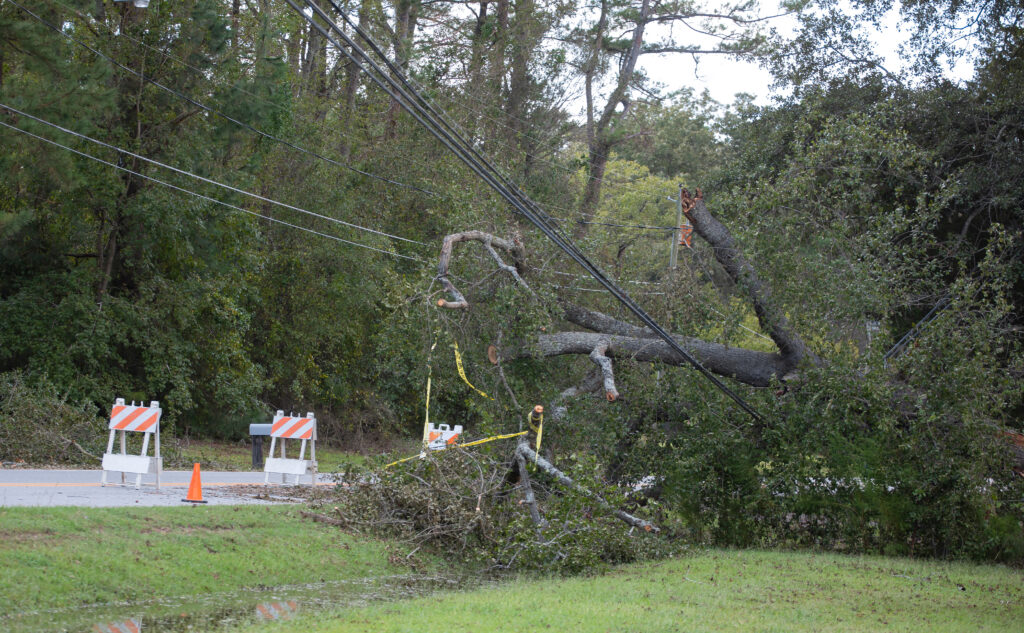
Hurricane Helene rattled our state like no climate disaster has before, particularly in Western North Carolina. It has become one of the U.S.’s deadliest and costliest hurricanes, with more than 200 deaths and an estimated economic loss of $78 billion. Unfortunately, our legislature could have prepared for and mitigated some of this destruction. Instead, they made it worse.
A significant contributor to the extensive damage caused by Hurricane Helene was the outdated building codes. Over the last decade or so, legislators have continually had opportunities to update these codes. Instead, they have unwisely rolled back the codes. Reporting shows these rollbacks cost our state $70M in disaster preparedness from the Federal Emergency Management Agency (FEMA), of which $18M would have been designated specifically to Western North Carolina for flood resilience. But why would the legislature not update building codes to protect their constituents?
Greedy Developers Cost Families and Communities Millions in Disaster Preparedness
Large lobbying groups in North Carolina have repeatedly convinced legislators to reject common-sense rules in building codes and zoning. In 2023, Republicans blocked updates to residential building codes that could have improved the ability of homes to withstand hurricanes and improve the energy efficiency of buildings.
Greedy developers argued implementing these rules would increase development costs which would then be passed on to consumers. But an independent analysis by the Pacific Northwest National Laboratory found that the increase in cost for home energy efficiency would be “made up in just a few years by lower energy costs.” Legislators caved to lobbying efforts, leaving hardworking families and their homes vulnerable to the increasing intensity of natural disasters.
Will Hurricane Helene Be a Turning Point for the North Carolina General Assembly?
Time and time again, the NCGA’s pro-polluting majority has failed to act on climate change. But will Hurricane Helene be a turning point for the current majority at the NCGA? If it is not, we need new legislators – legislators that will listen to their constituents.
That is why our work is so important. We are not only building well-informed movements and support for climate action, but we are using our resources (such as this scorecard) to hold legislators accountable.
It may be a slow process due to the unfair and unrepresentative districts handpicked by powerful politicians, but we are making substantial gains year after year. In the 2024 elections, we helped elect one of the greenest candidates for governor. We broke the supermajority in the NC House of Representatives. In the coming years, we will help elect more climate advocates to the NCGA and other positions of power.
How Did Climate Change Contribute to Hurricane Helene?
At the time, Trump was running for President, and he used this opportunity to assert the storm had no connection to climate change. Yet, NC meteorologists reported the connection is “certain.”
It starts with the record warming of ocean waters and atmosphere. Warm water is the “fuel” for hurricanes, and summer 2024 was one of the warmest summers on record. The eye of Helene entered the Gulf of Mexico as a diminished tropical storm. Once it began to draw on the Gulf’s superheated waters, Helene rapidly intensified, reaching hurricane Category 4 status by the time its center impacted Florida’s Big Bend area. The massive storm was able to carry such an enormous load of water because much warmer air holds more moisture.
Helene was the third hurricane in 13 months to take that previously unusual storm track. Unlike the previous two, however, Helene did not dawdle over the coast itself, discharging much of its moisture there. Instead, the prevailing winds allowed it to continue charging inland, until it met the mountains and colder air, where it flushed most of its extraordinary load of water.
Helene has been called a 500-year storm for the mountain region of North Carolina, meaning that a storm of that intensity and flooding has a 0.2% chance of happening in any given year. However, climate change is increasing these probabilities. Larger, more intense storms are already occurring more frequently, and that trend is expected to continue or grow worse.
As another relevant result, the maps which are supposed to delineate risk zones are also increasingly out of date. FEMA maps of flood zones are behind the curve of climate change, and residents haven’t yet realized the degree of added risk that they face.
Know the Score: See the 2024 Scorecard
To see how your legislators scored, and to learn more about the 2024 bills and votes, see the full 2024 Scorecard.