
Our Democracy Holds Strong Despite Concerted Attacks
We all want free, fair, and transparent elections, but powerful Republican politicians are sowing distrust, then restricting voting rights, all to avoid accountability for their unpopular policies. Instead of addressing voters’ top concerns—like the economy, climate resilience, and rising utility costs—state and federal politicians are focused on policies that will have big implications for our elections. Unfortunately, voters on both sides of the aisle will pay the price for these self-serving schemes.
Attacks from D.C.
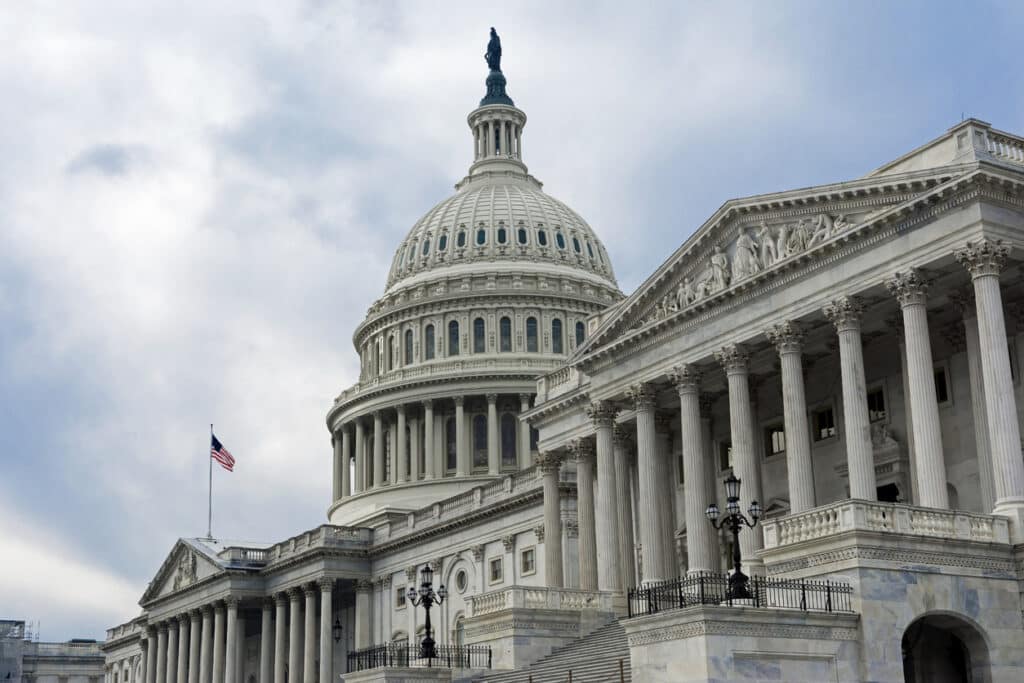
Fixated on past election outcomes, President Donald Trump and his extreme allies in Washington have continued to leverage their hold on the party to push national legislation that would make it significantly harder for tens of millions of eligible Americans to cast a ballot.
Sweeping federal proposals seek to impose strict photo identification mandates and dismantle accessible voter registration pathways, including eliminating online registration portals and restricting voter registration by mail. While these restrictive policies threaten every voter regardless of political party or age, their damage falls most heavily on specific groups: married women whose legal names may not match older identity documents, rural residents who live far from full-service election offices, low-income citizens lacking flexible work hours, and active-duty military service members serving away from home.
Meanwhile, federal judicial rulings have exacerbated these legislative attacks. Decisions like Louisiana v. Callais signal a troubling willingness in federal courts to weaken key protections under the Voting Rights Act, making it easier for politicians to redraw maps that dilute the voting power of historically underrepresented communities.
Attacks at Home
Here in North Carolina, legislative leaders and partisan appointees are actively undermining the foundations of our local democracy. By changing procedural rules and erecting unnecessary barriers, anti-environmental lawmakers are trying to ensure that polluters and special interests retain power at the expense of everyday citizens.
- Targeting Young Voters: The North Carolina State Board of Elections (NCSBE) has eliminated Sunday voting in certain counties and key early voting locations on college campuses across the state. This move directly targets younger voters, making it significantly harder for students to participate in the democratic process.
- Partisan Disfranchisement: NCSBE also passed rules to allow local boards of elections to reject absentee ballots on strict 3-2 party-line votes and mandate the rejection of absentee-by-mail votes over minor technical errors or typos—disenfranchising eligible voters over harmless administrative mistakes.
- Legislative Power Grabs (HB 958): House Bill 958 represents yet another attempt to strip executive oversight and centralize control over election administration within the General Assembly. By attempting to restructure board appointments, shorten early vote periods and ballot-counting windows, legislative leaders are attempting to tilt the scales in their favor before a single vote is cast. Governor Stein has vetoed HB 958, and it is not likely to pass before the 2026 election.
How Our Democracy Is Standing Strong
Despite these persistent attacks, North Carolinians are proving that our democracy remains resilient. From campus organizers fighting for their early voting sites to coalition partners mobilizing grassroots voter drives across rural counties, citizens are showing up, speaking out, and refusing to let their power be taken away. Community defense networks, nonpartisan civic groups, and environmental champions are coming together to demand transparency and ensure every eligible vote is counted.
Why Is Democracy So Important for Environmental Protections?
Why does an environmental advocacy organization dedicate time and resources to democracy issues? The answer is simple: we all depend on a free, fair, and representative democracy to truly protect our air, water, and communities from pollution and degradation.
When power-hungry politicians diminish our vote, they diminish our power to hold polluters accountable. When frontline communities have a seat at the table, they protect their health, their drinking water, and their local environment. The power to decide what happens to our natural resources must stay with the people—particularly those who face the direct consequences of pollution and extreme weather. Defending the ballot box is the first and most critical step in defending North Carolina’s future.